With psychotherapy
We begin by clarifying your goals and deciding whether neurofeedback can complement talk therapy.
$175 / 60 minutes Ben Bao Psychotherapy & Neurofeedback
Neurofeedback therapy
A non-invasive form of brain training that uses EEG sensors and real-time feedback to help you practise mental states associated with attention, calmness, emotional regulation, and a comfortable level of alertness.
Back to all services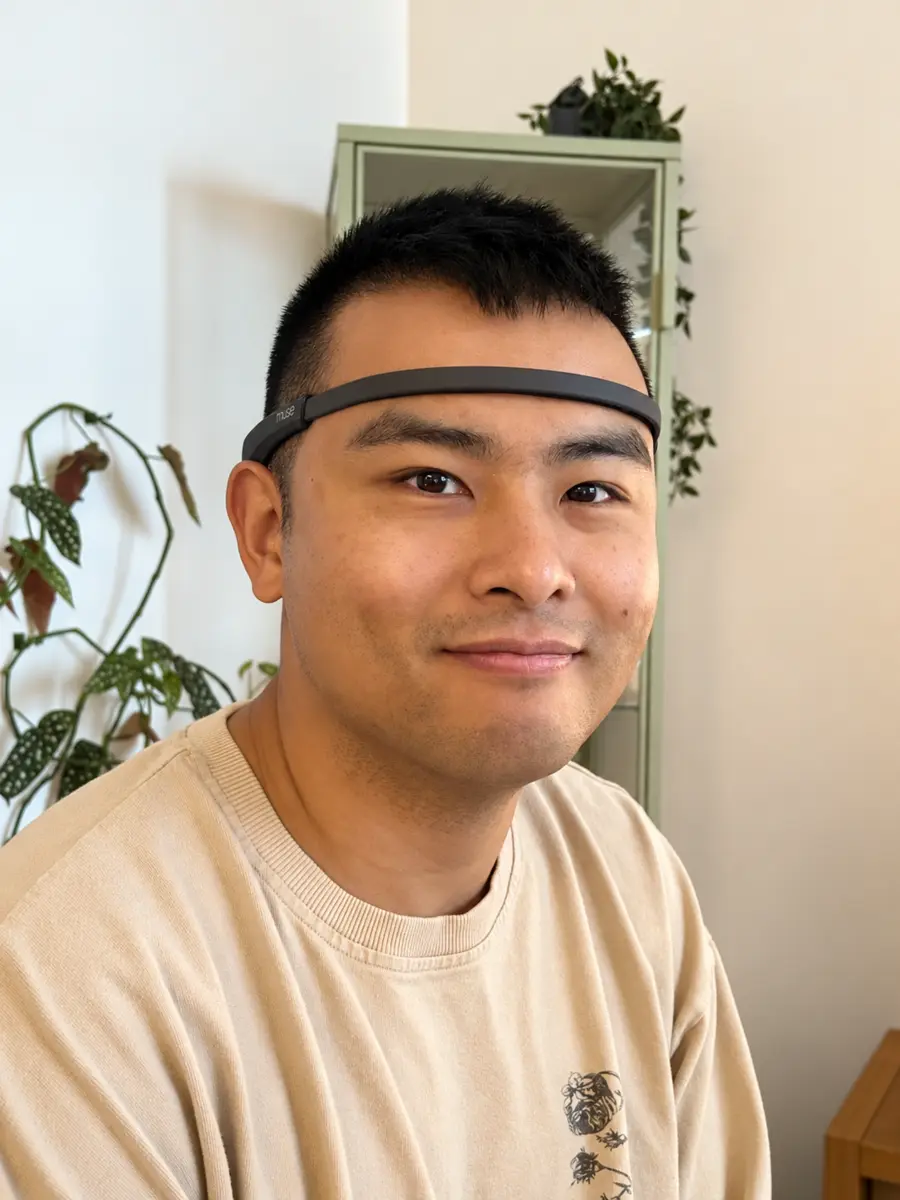
How it works
Neurofeedback is a non-invasive form of brain training that uses EEG sensors placed on the scalp to measure patterns of brain activity. The sensors only listen to these signals. They do not send electricity into your brain, read your thoughts, or control what you experience.
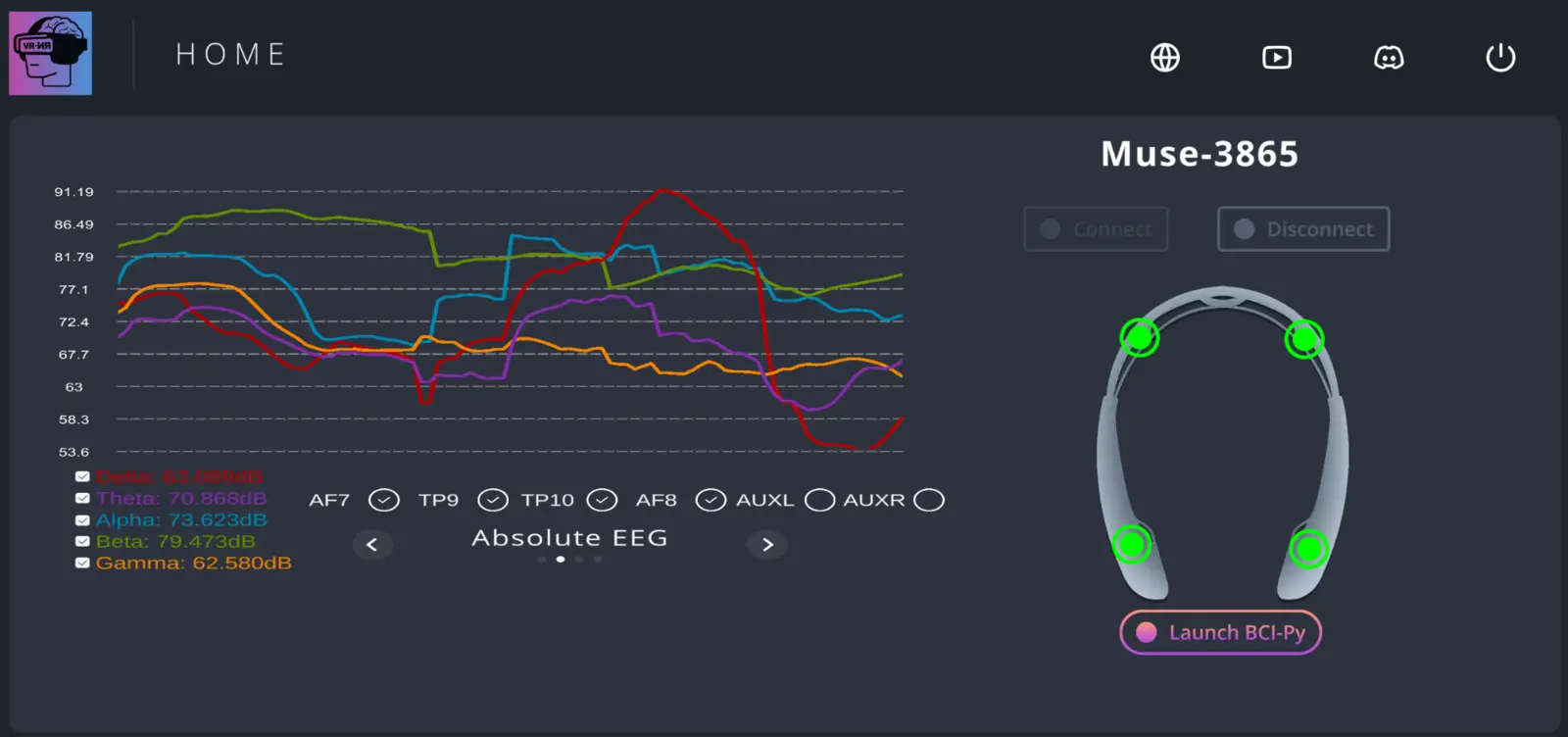
During a session, the EEG activity is translated into simple visual or audio feedback, often through a video or game. When your brain activity moves toward the pattern we are practising, the feedback responds in real time. With repetition, this process may help you become more familiar with mental states associated with attention, calmness, emotional regulation, or a comfortable level of alertness.
We begin with an initial consultation to talk about what you are hoping to improve, your relevant health history, and whether neurofeedback is an appropriate option for you. If we decide to proceed, I will place several small sensors on your scalp and guide you through the training. Nothing needs to be inserted into the skin, and you remain awake and involved throughout the session.
Neurofeedback can be used on its own or alongside psychotherapy. When it is combined with psychotherapy, we can connect what happens during the training with the emotions, thoughts, relationships, or patterns you are exploring in therapy.
Evidence and options
Some people notice meaningful improvements with neurofeedback, including some people living with ADHD, PTSD, anxiety, or difficulties with emotional regulation. However, responses vary, and there is no guarantee that it will help. Neurofeedback is not currently considered a standard first-line treatment for any major clinical condition.
We will talk openly about the available evidence, its limitations, possible alternatives, and whether neurofeedback makes sense for your particular goals.
Learn about the softwareWe begin by clarifying your goals and deciding whether neurofeedback can complement talk therapy.
$175 / 60 minutesAfter a one-hour initial consultation, continue with guided 30-minute neurofeedback sessions.
$90 / 30 minutes Initial consultation: $175